
Rust's Livestock Update Makes Cows and Sheep Part of the Base Economy
The October update creates new reasons to keep animals alive instead of immediately harvesting them.


Rust Livestock Update
Rust's October 1 update adds cows and sheep, turning livestock into a longer-term base-management decision. Both produce dung, cows supply milk and sheep supply wool. Players can still harvest animals for familiar resources, but keeping them alive now has a clearer purpose.
A Farm Is More Than an Enclosure
Facepunch's update introduces animal fencing and gates, along with livestock needs and genetics. The developer explicitly warns that animal genes do not behave exactly like plant genes, so an established crop-breeding routine should not be assumed to transfer unchanged.
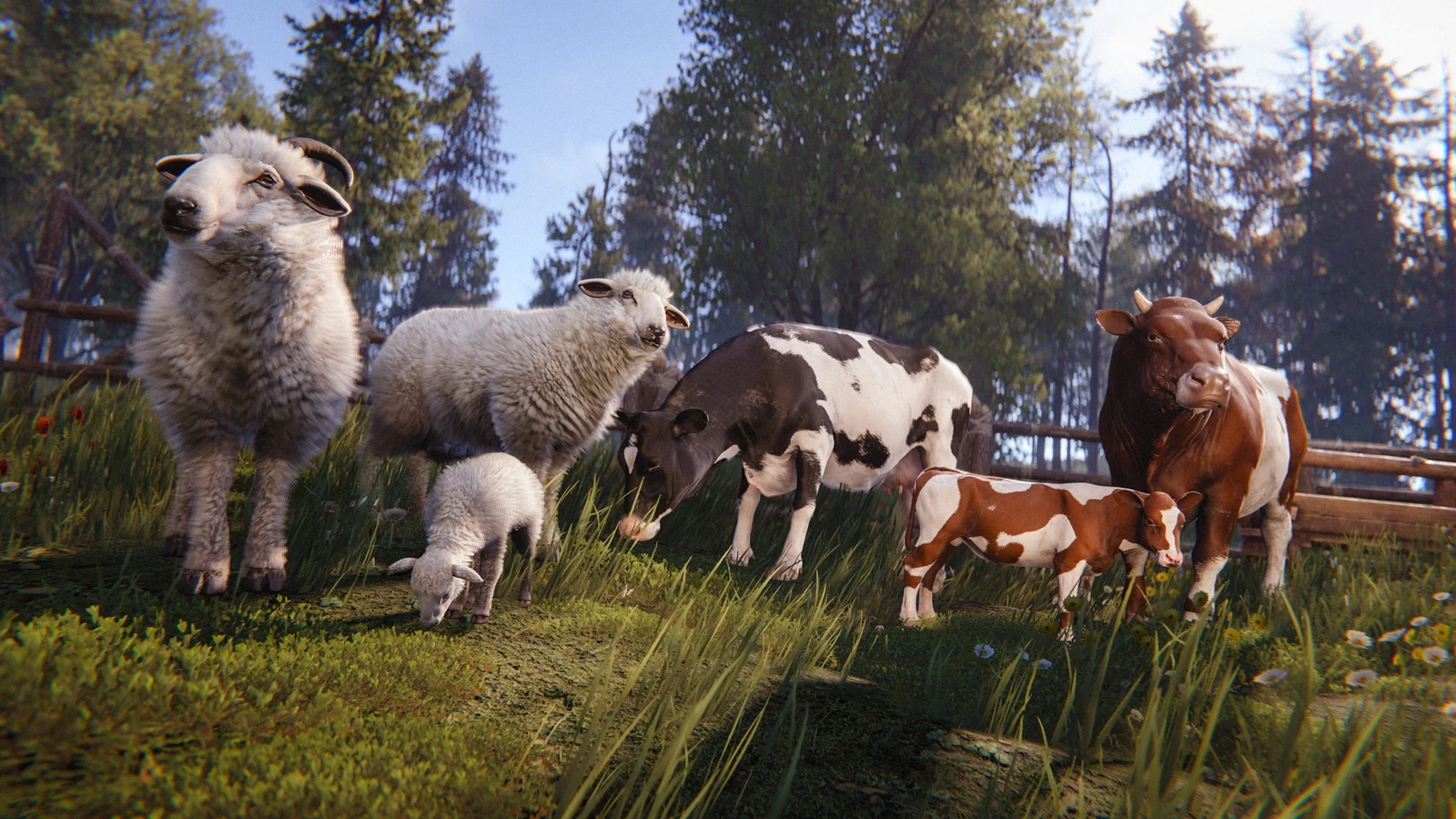
Rust Cows and Sheep. Image: Facepunch Studios. Independent coverage, not endorsed by Facepunch.
The farming question is therefore about the whole routine: where the animals stay, how you move them and whether you can maintain them while doing everything else a base requires. A pen that is easy to build is not automatically a convenient farm to operate.
Milk, Wool and the Trip to the Stable
Milk can be consumed directly or refrigerated for four hours before being skimmed into skimmed milk and cream. The update also gives these resources uses in recipes. Grown animals and wool can be traded with a stable vendor, adding a reason to take valuable farm output beyond the walls of your base.
That is an interesting trade-off, rather than a free passive-income button. Keeping an animal, using its output and selling it are different choices. The best option for a particular group will depend on what it needs and how much effort it can spend on the trip.
Performance Claims Need Their Context
In its official update notes, Facepunch explains that NPC processing has a per-frame time budget. When that budget is exceeded, reactions can slow as work is distributed across frames. That explanation is not an independent guarantee of unchanged performance on every server.
For players returning to an existing base plan, the practical starting point is small: understand the animal's needs, test the enclosure and decide which output is genuinely useful. Scaling up before learning the routine risks building more work than your group wants.
The update makes livestock a new part of Rust's economy, but it does not remove the familiar cost of protecting and transporting resources. A successful farm will still depend on how it fits the rest of your wipe.