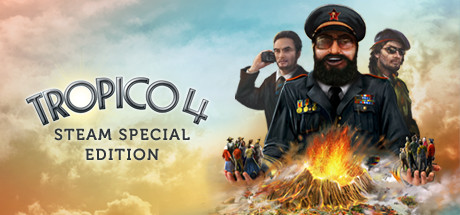
Tropico 4 casts the player as El Presidente, governing an island nation amid shifting geopolitical power and changing demands in the world market. The central challenge is political as well as economic: decisions shape the nation’s future and the size of the ruler’s offshore bank account, while support from the population matters to staying in power. Factions, foreign powers and even members of the government bring competing interests to the job.
Its strategy-simulation design makes policy and crisis management closely connected. Players can negotiate with additional superpowers and appoint citizens as ministers to help pass controversial policies, but those ministers have agendas of their own. Natural disasters such as volcanoes, droughts and tornadoes bring pressure to aid recovery. The National Agenda adds objectives from Tropican factions and foreign powers, as well as opportunities tied to island events. Trade offers another lever: importing and exporting goods can bolster the economy or production.
The single-player format frames Tropico 4 as a solo exercise in balancing public support, political maneuvering and economic choices, rather than a contest against other players. Its campaign is described as twenty missions across ten new maps, with new buildings including a Stock Exchange, shopping mall and Aqua Park.