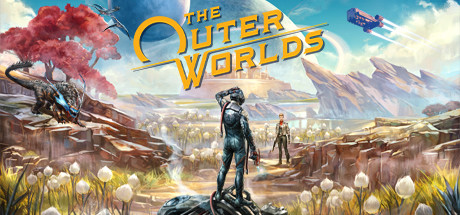
The Outer Worlds opens with a journey gone wrong: a colonist bound for the far reaches of space wakes decades late in Halcyon, where a conspiracy threatens the colony. Obsidian’s sci-fi RPG places that character in a corporate-run settlement with competing factions, alien creatures and scattered places to explore, including settlements and space stations. The premise sets up a story about deciding what kind of person to become, rather than simply following a fixed role.
Choice runs through both story and character-building. Decisions can alter the plot, companion stories and endgame scenarios, while companions arrive with distinct abilities, missions and personal ideals. Players can help them pursue their aims or bend their loyalties toward their own. The optional flaw system adds another tradeoff: the game identifies weaknesses, and accepting a flaw can impose a debuff in a relevant situation in exchange for an immediate character perk. These systems make the adventure’s shape depend on how someone approaches its dilemmas and develops their character.
Its focus is on exploring Halcyon, building a crew and seeing how personal decisions affect the journey, not coordinating with other players. That distinction helps explain what activity around the game represents: engagement with a branching story and its character systems, not a live lobby or team match.