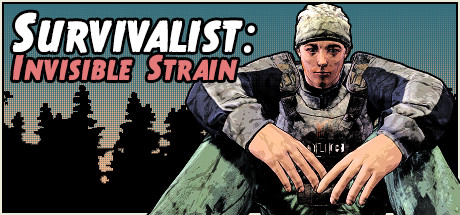
Survivalist: Invisible Strain places colony-building and personal survival in an open-world zombie apocalypse. Its focus is not only on finding food and shelter, but on the people who make up a community: characters have names and personalities, remember how you treat them, and carry those memories into their moods and opinions. Their daily lives continue through activities such as eating, working, sleeping and fighting, giving social dynamics a central place in the survival premise.
Recruitment can hinge on earning another survivor’s affection, respect or fear, while a growing group needs beds, food, warmth and protection. The game also asks you to manage morale and relationships, assign community roles, and gather resources from abandoned towns. Its hybrid controls move between direct, third-person character action and an overhead view for orders; combat includes dodging, blocking and targeting particular body parts. That blend makes individual encounters and settlement management part of the same design.
The two listed modes offer different frameworks: Story Mode introduces the world and mechanics through a hand-crafted story, while Sandbox Mode uses a randomly generated world with a looser story and quests that vary between playthroughs. The shifting emphasis between narrative, emergent quests and group survival helps explain why its format matters when interpreting that count.