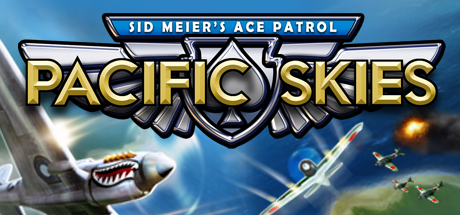
Sid Meier’s Ace Patrol: Pacific Skies sets its campaign amid the Pacific theater of World War II, with battles inspired by Pearl Harbor, Midway and Guadalcanal. Players command American or Japanese aircraft while serving in either the army or navy. Rather than centering the premise on a single ace, the game frames the air war around a fleet of fighters and pilots whose capabilities can develop over time.
That progression gives the missions a strategic layer: pilots earn promotions, fighters receive equipment upgrades, and leading aces learn new maneuvers. The mission objectives also reach beyond straightforward dogfights, including ambushing an enemy VIP, rescuing captured pilots and torpedoing enemy targets. These varied assignments connect aircraft handling and squad development to the wider effort to influence the course of the Pacific conflict.
The listed play formats are a single-player campaign and hot-seat multiplayer missions, with leaderboards also noted. Its identity is therefore not just a roster of historic aircraft, but a progression-focused air campaign with distinct solo and shared-play formats.