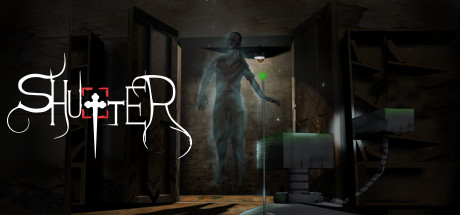
Shutter frames its horror as the investigation of a chilling event from years earlier. Its fixed-camera presentation looks back to the first generation of survival-horror games, while the puzzle-horror premise makes observation central to uncovering what happened. Rather than describing a conventional action-focused setup, the game asks players to keep their eyes and ears sharp as they piece together a dark tale.
That investigation uses two surveillance tools: CCTV cameras and an upgradable remote-control surveillance unit. Players take photos as part of the search, linking careful monitoring to the effort to unearth the past. The fixed viewpoints give this process a distinctive design context: attention to what can be seen and heard is part of the challenge, not merely a framing choice. Shutter is listed as single-player, so its player-count context is an individual horror investigation rather than a shared multiplayer session.
The game’s format suits a deliberate, puzzle-oriented approach to horror, with surveillance and photography shaping how its mystery is explored. Its description also flags flashing lights, an important consideration for players with photosensitive epilepsy. Together, the fixed camera, remote surveillance, and photo-taking establish Shutter as a focused single-player experience built around watching closely and uncovering a past event.