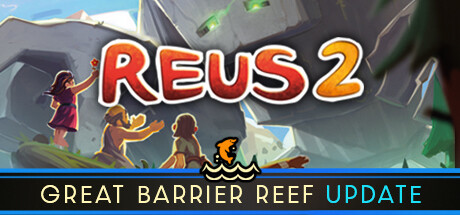
Reus 2 casts the player as a god shaping worlds through a roster of mighty giants. Each giant commands elements and has distinct abilities over plants, animals, and minerals. The aim is not simply to make a planet habitable: the ecosystems and resources you arrange provide the conditions for human settlements and their societies to develop, while people retain autonomy over their own choices.
Terraforming is built around combinations. Players arrange flora, fauna, and materials suited to different biomes, then experiment with synergies that answer inhabitants’ needs and goals. As play progresses, inspiration unlocks additional giant skills, broadening the choices available when building a world. Human communities can move from early societies toward modern civilizations, with different possible ambitions, while each playthrough leaves a planet in the galaxy for further experimentation.
The game’s single-player format puts this world-building in a personal, iterative frame: each new planet offers another chance to try a different arrangement and guide humanity along another path. Its simulation and strategy elements meet in a distinctive balance between deliberate environmental planning and the unpredictable direction of human societies. Optional challenges described in the game’s store listing include leaders forming relationships, trade or war, humanity sending giant hunters, and elemental disasters, adding conflict to a premise otherwise centered on creating ecosystems and nurturing civilizations.