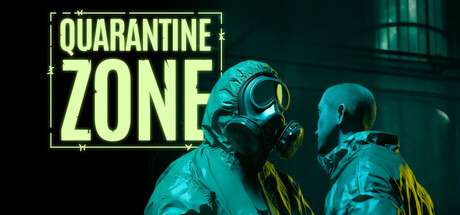
In Quarantine Zone: The Last Check, a zombie outbreak makes a checkpoint the frontline of survival. Players examine frightened survivors with screening tools, looking for infection, contraband, forbidden items, and collectables before deciding where each person goes. Suspicious cases can be quarantined or sent for further lab screening, while healthy survivors can enter the living block. The central tension is practical and moral: a mistaken decision can endanger the post, while investigating unknown symptoms can cost a life.
Inspection is only one part of the job. Players also manage power, food, and medicine for a growing survivor population, reinforce the compound, and pilot armed drones when alarms signal a threat. Effective base management unlocks additional resources, tools, and weapon upgrades. The game adds a grim research loop: newly turned zombies can be kept confined while samples are harvested, earning tools, staff experience, and long-term upgrades. Testing people with unknown symptoms is also possible, but the description makes clear that those tests are fatal to the subject.
That combination of individual triage, camp administration, and outbreak response gives the game a focused single-player format, rather than a shared checkpoint built around competing or cooperating players. Its simulation and strategy elements meet in a distinctive question: how much of the camp’s safety is worth sacrificing to learn more about the infection?