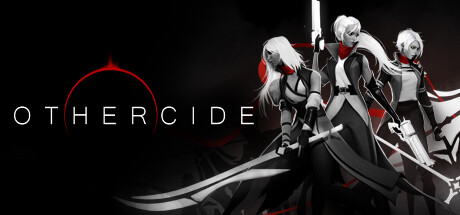
Othercide casts its struggle as a defense of humanity’s last hope. You lead the Daughters, echoes of a legendary warrior, against Suffering and the nightmarish creatures tied to humanity’s crimes. That premise gives the battles a stark purpose: the army standing between those threats and death is also the resource you must manage.
Combat is a tactical exchange built around planning, counters, and linked abilities. The Dynamic Timeline System shapes when actions unfold, while carefully setting up ability chains can let the Daughters outmaneuver enemies. Between fights, decisions carry weight: sacrificing one Daughter can heal another, and survivors grow stronger for the next battle. Their abilities and personalities are shaped by how they fare, connecting combat performance to the evolving group.
The game is listed as single-player, so its player-count context is a solitary campaign of tactical encounters rather than a team-based multiplayer format. Othercide’s design pairs epic boss battles with a narrative in which failure is not final: the description says players return with lost powers to face a new nightmare. Its distinctive tension comes from balancing immediate survival against the cost of preparing the Daughters for what follows.