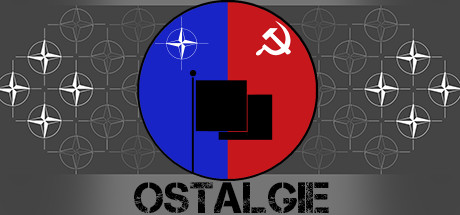
Ostalgie: The Berlin Wall casts the player as a leader navigating the final confrontation between socialist and capitalist Germany. As Gorbachev and Helmut Kohl meet, political change reaches a system whose party leaders have remained in place, setting up a strategy game about governing amid pressure rather than simply observing the end of an era.
Its choices span national reform and political survival. Players can pursue reforms, preserve existing arrangements, or seek new forms of socialism, while also deciding whether to resist westward cultural influence or bring the country closer to its western neighbors. The game adds practical political maneuvering: serving the public and party officials, manipulating elections, adjusting propaganda, and managing how budget funds are distributed.
The premise also reaches beyond East Germany: the description presents Bulgaria, Romania, and Poland as other settings for political leadership. The game’s appeal rests on those interlocking policy and political decisions, not on multiplayer competition.