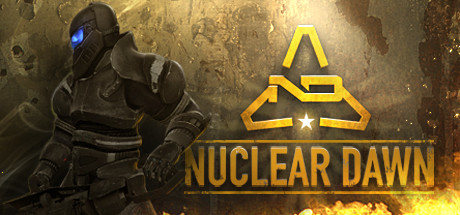
Nuclear Dawn builds its identity around a two-level view of warfare. Players can enter post-apocalyptic, modern-city battlefields as infantry, choosing among armoured, assault, or stealth roles and pursuing objectives with weapons that reward skill and tactics. The premise is not simply to pair a shooter with a strategy layer: both perspectives belong to the same gameplay model, with the soldier’s immediate fight set against larger decisions about how the battle unfolds.
The commander role shifts attention from aiming to coordination and logistics. Commanders organize players into squads, assign tactical objectives, plan resource routes, and manage structure production and research. The two factions, the Empire and the Consortium, use separate base-building paradigms, while forward bases and defensive or offensive structures give the larger plan a physical presence on the battlefield. That division between individual combat and team direction is the game’s defining design feature: a player can contribute through direct action or by shaping the forces and infrastructure around it.
Its six maps, four classes per faction, and varied weapon load-outs support that battlefield framework, while commander abilities include healing allies and striking enemies. Together, these details make the game’s player activity most meaningful when viewed in light of its combined FPS and RTS structure.