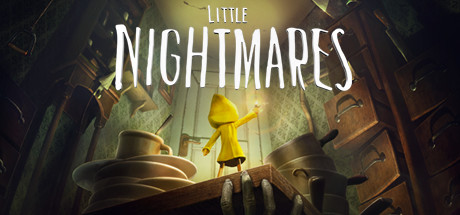
In Little Nightmares, you guide Six, a lone child trapped aboard the Maw, a huge metal vessel populated by dangerous, distorted adults. The premise makes vulnerability central to the adventure: Six is small in a world built around threatening Residents, and escape means reading the strange environment rather than confronting its inhabitants head-on.
Observation and careful movement shape the way forward. Six wakes in a damp, dark room with only a brass lighter, then searches for routes through rooms and shelves, including child-sized passages adults cannot reach. When Residents are nearby, hiding and moving quietly can keep Six out of sight; a distraction may create an opening, while making too much noise can draw their attention. If stealth fails, running for somewhere they cannot reach is another possible response.
That mix of environmental searching, stealth and sudden flight gives Little Nightmares the shape of a single-player adventure, rather than a shared or competitive session. Its horror comes through the contrast between a child’s limited stature and the Maw’s hostile inhabitants, with each escape depending on attention, timing and finding a way onward.