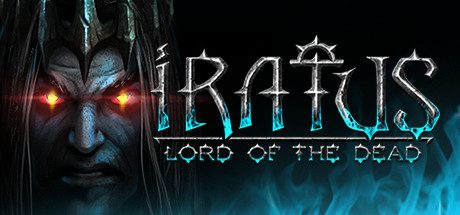
Iratus: Lord of the Dead places you in the role of a necromancer newly freed after millennia in prison, fighting for darkness. Its dark-fantasy premise shapes the strategy: command an undead force through underground corridors and catacombs, facing miners, dwarves, and mercenaries as Iratus works to regain his former strength. The campaign’s perspective puts the player on the side of the forces opposing the usual heroic cause.
Building that force is part of the tactical design. Minions are assembled from body parts taken from defeated foes, then tested in combat where understanding both allies’ and enemies’ strengths and weaknesses matters. Each servant brings six abilities, while four talent paths, named Alchemy, Magic, Ire, and Destruction, give the necromancer different ways to develop. Iratus can also drain an enemy’s sanity, alongside attacking with magic or claws, adding a distinctive tool to the battle system.
The game pairs those tactical encounters with roguelike consequences: a minion that dies is lost, and automatic saving makes decisions irreversible. Away from combat, players can improve the underground lair and research rituals to empower their servants.