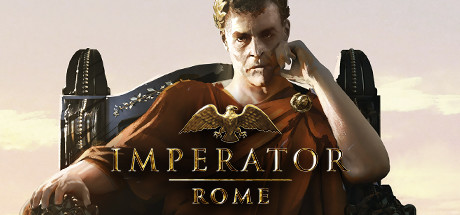
Set across the centuries from Alexander’s Successor Empires to the founding of the Roman Empire, Imperator: Rome casts the player as a ruler shaping the ancient Mediterranean. Its grand-strategy premise centers on the uncertain work of building an empire, where political choices and military pressure meet in a world of competing nations.
The state is more than its borders and armies. Characters with changing skills and traits can govern provinces or command forces, while citizens, freemen, tribesmen and slaves bring different cultures and religions, with happiness tied to national success. Government also changes the demands of rule: a republic must manage its senate, a monarchy its court, and a tribal system its clans. Trade, provincial investments and population management give the player several levers beyond conquest.
War has strategic texture too: players choose battle tactics to answer enemy plans, and military traditions offer different options across cultures, including Romans and Celts. The documented design is therefore a blend of long-range governance and military decision-making, rather than a narrowly focused battle game.