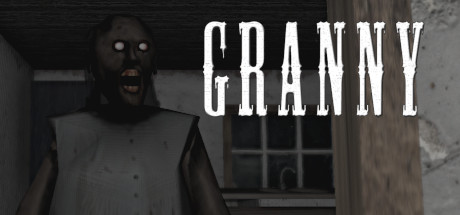
Granny traps the player inside her house, where escape depends on searching for keys and other objects to undo the locks on the main door. The opening sets a tense, confined scene: a dark room, a headache, and a flashlight on a table. The house is not merely a backdrop to the puzzle. Its creaking floors and dropped objects can give away your position, turning movement and object handling into risks.
That sound-sensitive pursuit shapes how you explore. Granny runs toward noises, while bear traps and other dangers, including her pets, complicate the search. Wardrobes and coffins offer places to hide, but only if Granny does not see you enter them. Weapons can stop her temporarily, not remove the threat. There is also a second escape route: find a way to start the old car in the garage and open the garage door. Those alternatives make the house’s rooms and hazards part of the escape problem rather than simple scenery.
The game offers five difficulty settings, from Practice through Extreme. Practice removes Granny, giving players room to try things, though the house still contains dangers. The format suits a challenge built around one person listening, searching, hiding, and weighing the risks of each route out.