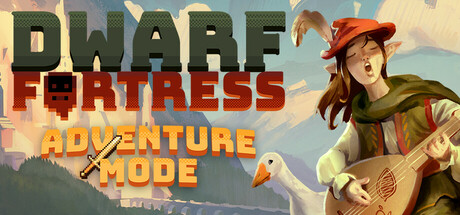
Dwarf Fortress turns a generated world into a colony-management challenge, asking you to guide dwarves as they carve out a home in a mountain. Civilizations rise and fall, and each world comes with its own inhabitants, cultures, creatures, and hazards. The goal is not simply to build a thriving settlement: starvation, hostile forces, and the dwarves’ own needs can push a fortress toward collapse.
Its depth comes from interlocking simulations rather than a single survival meter. You can manage food and beer supplies, read dwarves’ thoughts to help keep them happy, craft goods, and support nobility as your settlement grows. Water can be diverted for farming or to prevent magma mishaps. Meanwhile, combat accounts for skills, body parts, material properties, and effects such as pain and nausea. Weather, geology, and randomly created animals and monsters further distinguish one generated world from another.
The game combines construction and management with roguelike elements, and its “losing is fun” outlook makes failure part of learning how a particular civilization unravels. Beyond fortress life, the listing describes opportunities to explore civilizations, recruit followers, and venture into mythical dungeons for magical items. Steam’s single-player designation gives player-count figures context: they concern activity in a solo simulation, not a match-based multiplayer experience.