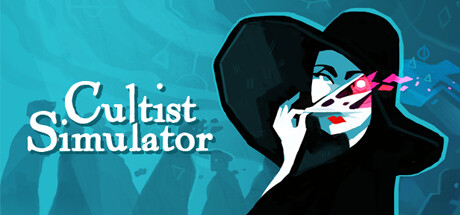
Cultist Simulator casts the player as a seeker of forbidden mysteries in a 1920s-inspired world of hidden gods and secret histories. Its occult premise is paired with a roguelike narrative structure: choices shape the story as it unfolds, and discoveries may permanently transform the seeker. The game’s appeal lies in pursuing knowledge, power, beauty or revenge while navigating a world where ambition and appetite have dangerous consequences.
Cards are the tools for both storytelling and action. Players combine them to develop their own account of events, study grimoires, search dreams for rituals, craft tools and summon spirits. The broader design also involves founding a cult, recruiting followers and assigning disciples roles such as researchers or burglars, while contending with rivals, investigators and suspicious authorities. These systems make the experience less about a single route through a plot and more about managing the risks created by one’s own choices.
The game is listed as single-player, so its play format centers on an individual’s unfolding occult narrative rather than shared or competitive sessions. A story-driven legacy system carries the consequences of death into the possibility of another generation, reinforcing the sense that each attempt belongs to a larger history.