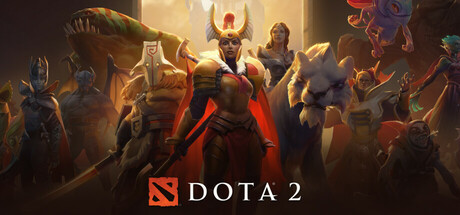
Dota 2 is a free-to-play action-strategy game built around battles between teams using a vast roster of heroes. Its defining draw is the range of ways those heroes and their abilities can combine: each hero can serve multiple roles, and items let players respond to the needs of a particular game. With that many choices, matches are not simply repetitions of a fixed formula; the game invites players to shape their approach.
The format also has room for different levels of familiarity. Newcomers can practice against bots or explore a hero in demo mode before entering matchmaking, while the matchmaking system considers both behavior and skill when forming games. The core hero pool is available to all players, so the roster itself is not gated behind purchases. Dota 2’s regular updates also keep its gameplay, features, and heroes evolving over time.
That mix of tactical variety and repeatable team matches is useful context for a player-count page. A count reflects people playing within a game whose possible hero-role-item combinations can make one session feel unlike another, rather than a single fixed campaign or one-off experience. It does not, by itself, show which heroes players choose or how individual matches unfold; it indicates activity around a game designed for ongoing, varied battles.